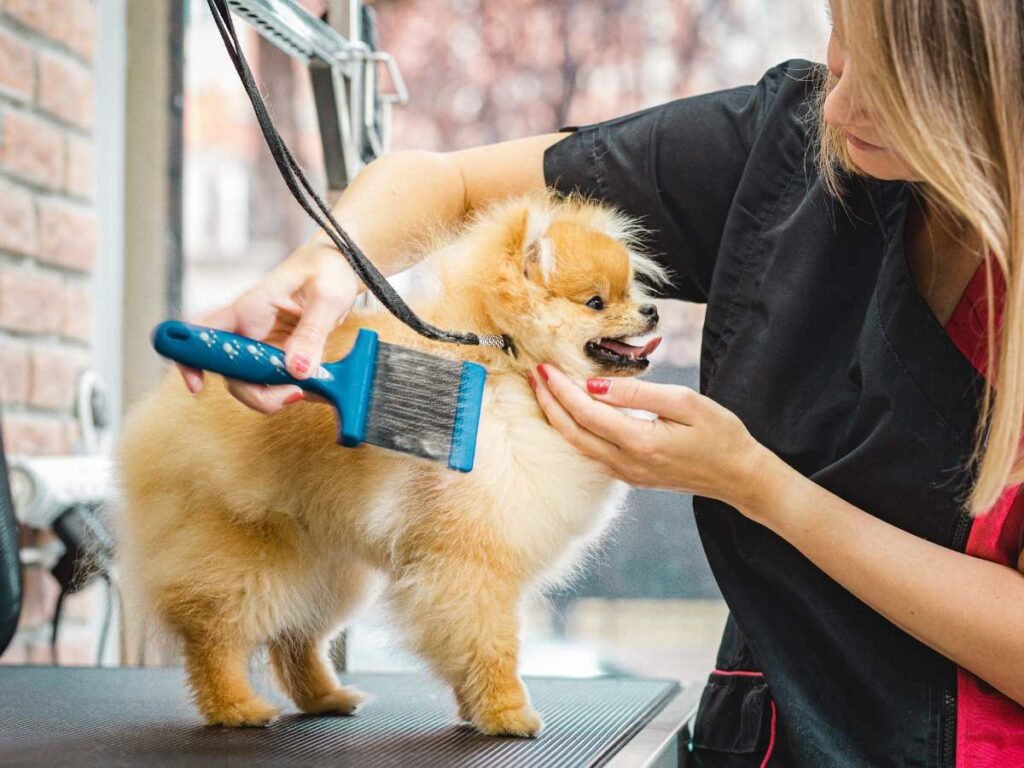
Dog Coat Thinning in North York: Signs, Causes & Grooming Solutions

As a pet grooming salon serving families in North York, we often hear concerned dog owners ask: “Why is my dog's coat thinning?” While shedding is normal, thinning or patchy fur can signal underlying health issues or grooming problems. In this guide, we’ll explain the causes, warning signs, and practical solutions to help your dog maintain a healthy, shiny coat in Toronto.

For professional assessment and grooming, https://hellopetsinc.com/

Understanding Dog Hair Loss vs. Normal Shedding

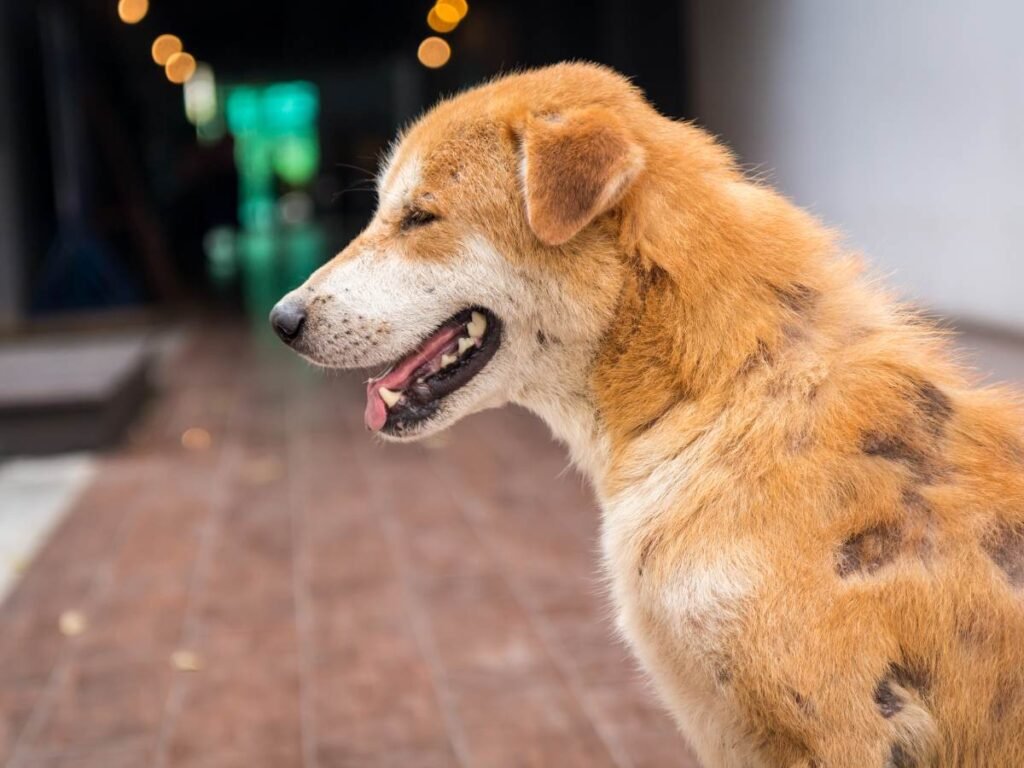
All dogs naturally shed, but dog coat thinning in North York is different. It often appears as uneven fur, bald patches, or brittle hair, and is something you shouldn’t ignore.

Signs that thinning is normal:

Warning signs of concern:

If you notice these issues, it’s time to investigate further.

Common Causes of Thinning Dog Fur in North York

1. Poor Grooming or Matting

When coats aren’t brushed regularly, hair can break instead of shedding naturally. Matting and trapped moisture can damage follicles.

Our observation: Many pet owners assume their dog’s coat is “naturally thin,” but often it’s hair breakage from inconsistent grooming.

2. Skin Infections or Parasites

Fleas, mites, and fungal infections can weaken hair roots. Groomers often detect:

Early detection prevents more serious skin problems.

3. Nutritional Deficiencies

Hair is often the first indicator of a poor diet. Dogs lacking protein, omega fatty acids, or essential vitamins may show:

4. Hormonal or Medical Conditions

Some health issues directly affect the coat:

Sudden or severe thinning should prompt a veterinary evaluation.

5. Stress or Anxiety

Dogs that lick, chew, or bite excessively due to stress can develop localised hair loss. Common triggers include:

Grooming Clues That Signal a Health Issue

Professional groomers in North York notice subtle indicators that owners may miss:

If you spot these, scheduling a grooming evaluation is essential. You can learn more about our professional dog grooming services here:
https://hellopetsinc.com/dog-grooming/
dog coat thinning north york

Quick At-Home Coat Check for North York Dog Owners

Perform this simple 5-point check to spot early signs of dog hair loss in Toronto:

  1. Run your fingers through the coat — does hair fall out easily?
  2. Check skin visibility — are there bald patches?
  3. Smell the coat — any musty or unusual odour?
  4. Inspect underarms and belly — thinning often starts here
  5. Watch scratching frequency — more than normal?

If 2 or more signs are present, a professional grooming assessment is recommended.

Seasonal Coat Changes in Toronto Climate

Seasonal changes in North York and Toronto can temporarily affect your dog’s coat.

Tip: Seasonal dog coat thinning should always be even, not patchy.

Practical Steps to Restore Coat Health

1. Establish a Consistent Grooming Routine

Regular brushing prevents breakage, distributes natural oils, and keeps coats healthy.

Frequency recommendation:

2. Improve Diet Quality

Feed nutrient-rich food with:

Consult your vet before adding supplements.

3. Check Environmental Triggers

Dry air, harsh shampoos, or allergens can irritate skin. Switching to gentle, breed-appropriate grooming products often improves coat thickness.

4. Seek Professional Assessment Early

Professional groomers can detect hair loss causes before they require medical treatment. At https://maps.app.goo.gl/2vopfPZ2rYExNiFX7, we’ve seen many dogs regain healthy coats after proper detangling, conditioning, and skin-focused grooming.

Symptoms, Causes, and Actions: Quick Reference Table

SymptomLikely CauseAction
Even thinningSeasonal sheddingIncrease brushing
Patchy lossParasites or infectionGroomer + vet check
Hair breakingMatting or drynessConditioning treatment
Bald spotsHormonal issueVeterinary diagnosis
Thinning + odorSkin infectionImmediate care
dog coat thinning

When to See a Veterinarian Immediately

Seek professional care if coat thinning is accompanied by:

These may indicate systemic health issues rather than just grooming problems.

What Groomers Check That Owners Often Miss

Professional groomers examine:

Early detection prevents more severe problems and keeps your dog healthy.

Prevention Tips From Professional Groomers

Preventive care is easier than fixing coat damage later.

Closing Note

Dog coat thinning in North York is often the first visible sign that something deeper needs attention. Early grooming assessment, combined with proper diet and home care, resolves many coat concerns before they escalate into medical issues. Observing your dog’s coat regularly is one of the simplest ways to monitor overall health.

FAQ — Dog Coat Thinning in North York

1. Is dog coat thinning always a health problem?
No. Mild seasonal shedding is normal. Sudden, patchy, or excessive thinning usually signals a problem.

2. Can grooming actually stop hair thinning?
If the cause is matting, breakage, or poor coat maintenance, proper grooming can significantly improve coat thickness.

3. How long does it take for a dog’s coat to grow back?
Typically 4–12 weeks, depending on breed, nutrition, and underlying cause.

4. Should I change shampoo if my dog's coat is thinning?
Yes, especially if irritation is present. Harsh or human shampoos can damage hair follicles.

5. Do certain breeds experience thinning more often?
Yes. Double-coated breeds and dogs with long hair are more prone to visible thinning when grooming is inconsistent.

6. Can stress alone cause hair loss?
Yes. Chronic anxiety can lead to excessive licking or chewing, resulting in localised hair loss.

7. What is the first thing I should do if I notice thinning?
Start with a grooming evaluation to rule out surface causes. If signs persist, consult a veterinarian for medical assessment.

Top 5 Reasons to Include Nail Trimming in Your Dog's Grooming Routine

As a responsible dog owner, ensuring your furry friend's well-being is a top priority. Grooming is an essential aspect of pet care that contributes to their health and happiness. While many aspects of grooming are well-known, such as dog bathing and brushing, nail trimming often gets overlooked. This article will delve into the significance of nail trimming in your dog's grooming routine. Let's explore the benefits regular nail trimming can bring your beloved canine companion.

The Importance of Grooming for Dogs

Grooming is not just about maintaining your dog's appearance; it plays a vital role in their physical and emotional well-being. Regular dog grooming sessions promote healthy skin, coats, and nails and allow you to detect any potential health issues early on. Additionally, grooming time can be an excellent opportunity to strengthen the bond between you and your dog, making it a positive and enjoyable experience for both of you.


Understanding Nail Trimming

Dog Nail Trimming

The Anatomy of a Dog's Nail

Before diving into the reasons for nail trimming, it's crucial to understand the anatomy of a dog's nail. A dog's nail consists of the hard outer shell called the claw, the quick (blood vessel), and the soft inner part, known as the pulp. Trimming should be done without cutting quickly, which can be painful and cause bleeding.

Common Nail Problems in Dogs

Untrimmed nails can lead to various issues for your dog, including overgrowth, splitting, and curling. In severe cases, overgrown nails can cause discomfort, affect their gait, and even lead to joint problems. Therefore, keeping your dog's nails at the right length is essential for their overall health and well-being.


Top 5 Reasons Why Nail Trimming Essential For Your Dog

Dog Nail Trimming

1. Preventing Pain and Discomfort

Regular nail trimming prevents overgrowth, which can be painful for your dog. As well as, overly long nails may push into the paw pads, leading to discomfort and difficulty walking. Keeping their nails at an appropriate length ensures your dog's comfort and mobility.

2. Maintaining Proper Posture and Mobility

Trimmed nails contribute to better posture and gait for your dog. Overgrown nails can alter their walking mechanics, leading to strain on their joints and muscles. Properly trimmed nails enable your dog to move freely and maintain an active lifestyle.

3. Avoiding Infections and Injuries

Long nails are more likely to break and split, which can cause injuries and illnesses that can be painful. When a nail breaks, the quick can be exposed, which can cause bleeding and leave the area open to germs. Your dog's paws will stay healthy and less likely to get hurt if you clean them regularly.

4. Protecting Your Home and Furniture

Dogs with overgrown nails may inadvertently cause scratches or damage to your furniture, flooring, and even your skin during playtime or interactions. By trimming their nails regularly, you can avoid mishaps and create a safe environment for your dog and belongings.

5. Strengthening the Bond with Your Dog

Grooming rituals, including nail trimming, allow bonding and positive reinforcement. When done gently and with rewards, your dog will associate grooming sessions with love and care, strengthening the emotional connection between you.


Book A Grooming Session For Your Dog

How Often Should You Trim Your Dog's Nails?


Factors Affecting Nail Growth

The rate of nail growth can vary among dogs and can be influenced by factors such as age, activity level, and diet. Regularly check your dog's nails and observe how quickly they grow to determine the frequency of trimming needed.

Frequency Guidelines

In general, most dogs require nail trimming every 2 to 4 weeks. However, individual differences may require more frequent or less frequent trimming. Always consult with your veterinarian or a professional dog groomer if you need clarification on the appropriate schedule for your dog.


Frequently Asked Questions (FAQs)


How can I make my dog more comfortable with nail trimming?

To make nail trimming a positive experience:

  1. Gradually introduce your dog to the process.
  2. Start by handling their paws regularly and reward them with treats and praise.
  3. Use proper nail clippers and be gentle during the process.
What happens if I accidentally cut my dog's nails too short? 

Accidentally cutting the quick can cause bleeding. If this happens, apply styptic powder or cornstarch to stop the bleeding. Be sure to reassure your dog and offer treats to ease their discomfort.

Can I use human nail clippers for my dog?

It is best to use nail clippers designed specifically for dogs. Human clippers may not be strong enough to cut a dog's thick nails and could cause injury.

Are there any signs that indicate my dog's nails need trimming?

Yes, if you hear clicking sounds when your dog walks on a hard surface, or their nails are visibly long and curling, it's time for a trim.

Should I be concerned about bleeding during nail trimming?

Some bleeding may occur if the quick is accidentally cut. While it can be alarming, it is usually not serious. Applying styptic powder or cornstarch should help stop the bleeding.


Conclusion

To conclude, nail trimming is a crucial aspect of your dog's grooming routine that should not be overlooked. By including regular nail trimming, you can prevent pain and discomfort, maintain proper posture and mobility, avoid injuries and infections, protect your home and furniture, and strengthen the bond with your beloved canine companion. However, remember to trim your dog's nails at the appropriate frequency and approach the process with patience and care. Happy trimming!

Should You Get Your Pets Groomed at a Groomer?

Pets play a significant role in our lives, bringing joy, companionship, and unconditional love. As responsible pet owners, we must ensure our furry friends' well-being. One aspect of pet care that often arises is grooming. Many pet owners wonder whether to take their pets to a professional groomer or handle grooming themselves. In this article, we will explore the benefits of pet grooming services, provide tips for finding a reliable groomer, and help you decide whether you should get your pets groomed at a groomer.

Understanding the Importance of Pets' Grooming

Proper grooming is essential for maintaining your pet's overall health and well-being. Regular grooming sessions help keep their coat clean, healthy, and free from mats and tangles. Therefore, it also allows for early detection of skin issues, parasites, or other health concerns. Grooming sessions involve brushing, bathing, nail trimming, ear cleaning, and more, depending on your pet's specific needs.

The Advantages of Professional Pet Grooming Services

Professional pet grooming services offer several advantages that can greatly benefit your pet. Firstly, groomers are trained and experienced in handling various breeds and species, ensuring that your pet receives appropriate care. They have the expertise to handle grooming tasks effectively and safely.

Additionally, groomers often use specialized equipment and high-quality products that may not be readily available to pet owners. They know different coat types and can recommend the best grooming techniques and products for your pet. Groomers can also address specific needs, such as breed-specific haircuts or treatments for skin conditions.

How to Find a Good Pet Grooming Service

Dog groomers

Finding reliable pet grooming services is crucial for the well-being of your furry companion. Here are some tips to help you find the right groomer:

  1. Seek Recommendations

Ask your veterinarian, friends, or fellow pet owners for recommendations. Personal experiences can provide valuable insights into the quality of service offered by different groomers in your area.

2. Research and Read Reviews

Take the time to research local grooming services and read online reviews. Look for groomers with positive feedback, excellent ratings, and a reputation for professionalism and compassion.

3. Visit the Grooming Facility

Before making a final decision:

4. Meet the Groomer

Schedule a meeting with the groomer to discuss your pet's needs and assess their knowledge and communication skills. A good groomer should be patient, attentive, and genuinely interested in your pet's well-being.

DIY Grooming vs. Professional Grooming: Pros and Cons

Deciding between DIY grooming and professional grooming depends on various factors. Let's consider the pros and cons of each:

DIY Grooming

Professional Grooming

When Should You Consider Professional Pet Grooming?

Pet Grooming Services

While regular grooming tasks can be performed at home, there are certain situations where professional grooming becomes necessary. Consider professional pet grooming if:

Ensuring the Safety and Comfort of Your Pet During Grooming

Most importantly, the safety and comfort of your pet should be a top priority during grooming sessions. Here are some tips to ensure a positive experience:

The Costs Associated with Professional Pet Grooming

The cost of professional pet grooming can vary depending on various factors, such as the size of your pet, the complexity of the grooming tasks, and the region you live in. Generally, grooming costs include

However, despite the potentially higher price compared to DIY grooming, the benefits and convenience of professional cat grooming or dog grooming often outweigh the costs. 

Common Misconceptions About Pet Grooming

Several things could be improved surrounding pet grooming. Let's debunk some of the common myths:

Myth 1: Grooming is only about aesthetics.

Reality: Grooming is not just about making your pet look good; it is crucial for their health and well-being.

Myth 2: Professional grooming is stressful for pets.

Reality: Professional groomers are trained to handle pets carefully and employ techniques that minimize stress and anxiety.

Myth 3: Grooming is only necessary for long-haired pets.

Reality: Pets of all coat types benefit from regular grooming to maintain healthy skin and prevent matting or skin issues.

Frequently Asked Questions (FAQs)

Q: How often should I take my pet to a groomer? 

A: The frequency of grooming visits depends on your pet's breed, coat type, and specific needs. Consult with a professional groomer to determine an appropriate grooming schedule.

Q: What if my pet doesn't like being groomed? 

A: Some pets may initially be hesitant or anxious about grooming. A skilled groomer can help ease their fears through patient and gentle handling techniques.

Q: Are there any health benefits to pet grooming? 

A: Yes, pet grooming helps maintain healthy skin and coat, prevents matting and tangles, and allows for the early detection of potential health issues.

Q: Can I groom my pet at home if they have special needs or health conditions? 

A: It is advisable to consult with a professional groomer with experience with special needs pets or those with health conditions. They can provide appropriate guidance and ensure your pet's safety.

Q: Can I groom my pet if they have a short coat? 

A: While pets with short coats may require less maintenance, regular grooming is still beneficial. Simple tasks like brushing and nail trimming can be done at home, but professional grooming can ensure a thorough care routine.

Conclusion

Getting your pets groomed at a professional pet groomer offers numerous benefits, including expert care, access to specialized equipment, and comprehensive grooming services. However, the decision ultimately depends on your pet's needs, grooming capabilities, and personal preferences. Considering the outlined factors and tips, you can make an informed choice to ensure your pet's well-being and happiness.

Top Mistakes Dog Owners Make Without Professional Dog Training in North York, Toronto

As a pet grooming salon in North York, we meet hundreds of dogs every month puppies, seniors, rescues, and everything in between. During grooming appointments, many pet parents ask us the same concerned questions:
“Why is my dog biting suddenly?”
“Why doesn’t my dog listen at home but behave outside?”
“Is this aggression or just bad habits?”

Over time, we’ve seen a clear pattern. Many of these challenges don’t start as serious behaviour problems they develop because of common mistakes dog owners make without professional dog training.

At Hello Pets Inc., we regularly guide pet parents through these situations, not just during grooming but through everyday conversations. This blog is written to help dog owners in North York understand those mistakes and take practical steps toward safer, happier behaviour.

Common Dog Training Mistakes North York Pet Owners Make

Mistake #1: Ignoring Early Biting Behavior in Dogs

Many dog owners in North York notice early signs of biting but delay professional guidance.
One of the biggest misconceptions we see is brushing off biting as something a dog will “grow out of.”

Puppy nipping, fear-based snapping, or sudden biting during handling are early warning signs, not phases. Without proper guidance, these behaviours often become stronger and harder to manage over time.

Dogs bite for reasons:

Ignoring early signs can lead to serious incidents, especially in households with children or elderly family members.

Mistake #2: Inconsistent Training Rules at Home

Dogs thrive on clarity. One day, allowing jumping, the next day correcting it, sends mixed signals.

We’ve seen dogs during grooming sessions become reactive simply because:

Without a consistent structure, dogs become confused and confusion often shows up as frustration or biting.

Mistake #3: Using Punishment Instead of Proper Dog Behavior Training

Another common issue we notice is owners trying to “correct” biting through yelling, physical corrections, or fear-based methods.

This often makes things worse.

Biting is a form of communication. When dogs feel unheard, unsafe, or pressured, punishment increases stress rather than solving the root cause. Many dogs that bite during grooming are not aggressive they are anxious or overwhelmed.

Understanding why a dog is reacting is far more effective than reacting emotionally.

Mistake #4: Skipping Puppy Training and Socialization in North York

North York is a busy area dogs encounter traffic, elevators, strangers, children, and other pets daily.

Without early exposure and guidance, dogs can become:

We often see dogs who struggle with grooming simply because they were never taught how to feel safe with touch, tools, or unfamiliar people.

This is where structured training makes a real difference.

Mistake #5: Relying Only on Online Dog Training Advice

Online tips can be helpful, but only when applied correctly.

Every dog is different. What works for one dog may increase stress or biting in another. We’ve seen cases where well-meaning owners unintentionally reinforced biting behaviour by:

Professional guidance helps interpret behaviour correctly and prevents these small mistakes from turning into habits.

Mistake #6: Waiting Too Long to Seek Professional Dog Training in North York

Many dog owners wait until biting becomes severe before seeking help.

In reality, early intervention is easier, safer, and more effective. Dogs don’t suddenly become aggressive behaviour builds gradually.

For pet parents who realise they need structured support, working with experienced trainers who understand behaviour, body language, and stress signals can make a huge difference. We often guide clients toward professional dog training when grooming sessions reveal deeper behavioural challenges. You can learn more about structured support options here:
https://hellopetsinc.com/dog-training/

Mistake #7: Overlooking How Grooming Affects Dog Behavior

As groomers, we see firsthand how untrained dogs struggle with basic handling:

Dogs that haven’t learned calm handling often resort to snapping or biting not out of aggression, but fear.

When training and grooming work together, dogs feel safer, more confident, and far less reactive.
Dogs that receive regular grooming alongside structured training tend to show calmer behavior during handling.

You can learn more about dog grooming here: https://hellopetsinc.com/dog-grooming/

Dog training in North York to address biting and behavior problems


Our Experience With North York Dog Owners

At Hello Pets Inc., located in North York, we’ve worked with dogs that were once labelled “difficult” or “aggressive” but improved significantly once owners understood their behaviour and sought the right guidance.

As a pet grooming salon in North York, we regularly work with dogs from nearby neighborhoods who show early signs of anxiety, fear-based biting, or handling sensitivity. Many of these behaviors become noticeable during grooming long before they escalate at home. This firsthand experience allows us to guide pet parents with practical, realistic advice based on what we see every day.

(You can find our North York location here: https://maps.app.goo.gl/Hi4F4cmT3kEZ67bL8)

From our experience, most biting issues are preventable when pet parents have the right knowledge, support, and timing.

Final Thoughts

Dog biting is rarely about dominance or stubbornness. It’s about communication, fear, boundaries, and unmet needs.

By avoiding these common mistakes and taking early, informed steps, dog owners in North York can raise calmer, safer, and happier dogs, making everyday activities like grooming, walking, and family time far more enjoyable.

Helpful FAQ: Dog Biting & Training

1. Why does my dog bite during grooming or handling?

Most dogs bite during grooming due to fear, anxiety, or discomfort. Proper training helps dogs feel safe with touch and tools.

2. Is puppy biting normal, and when should I worry?

Some puppy nipping is normal, but frequent or intense biting should be addressed early to prevent long-term behaviour issues.

3. Can dog training really stop biting behaviour?

Yes. Professional training focuses on understanding triggers, teaching alternatives, and building calm responses.

4. Should I punish my dog for biting?

Punishment often increases fear and aggression. It’s better to address the underlying cause and teach appropriate behaviour.

5. How long does it take to improve biting behaviour?

Improvement depends on the dog’s age, history, and consistency at home. Early intervention shows faster results.

6. Can grooming visits help identify behaviour problems?

Absolutely. Groomers often notice early signs of anxiety, fear, or reactivity that owners may not see at home.

7. When should I seek professional help for biting?

If biting is frequent or escalating, North York dog owners should seek professional guidance early to prevent long-term behavior issues.

How to Stop My Dog From Pulling on the Leash: A Practical Guide for North York Dog Owners

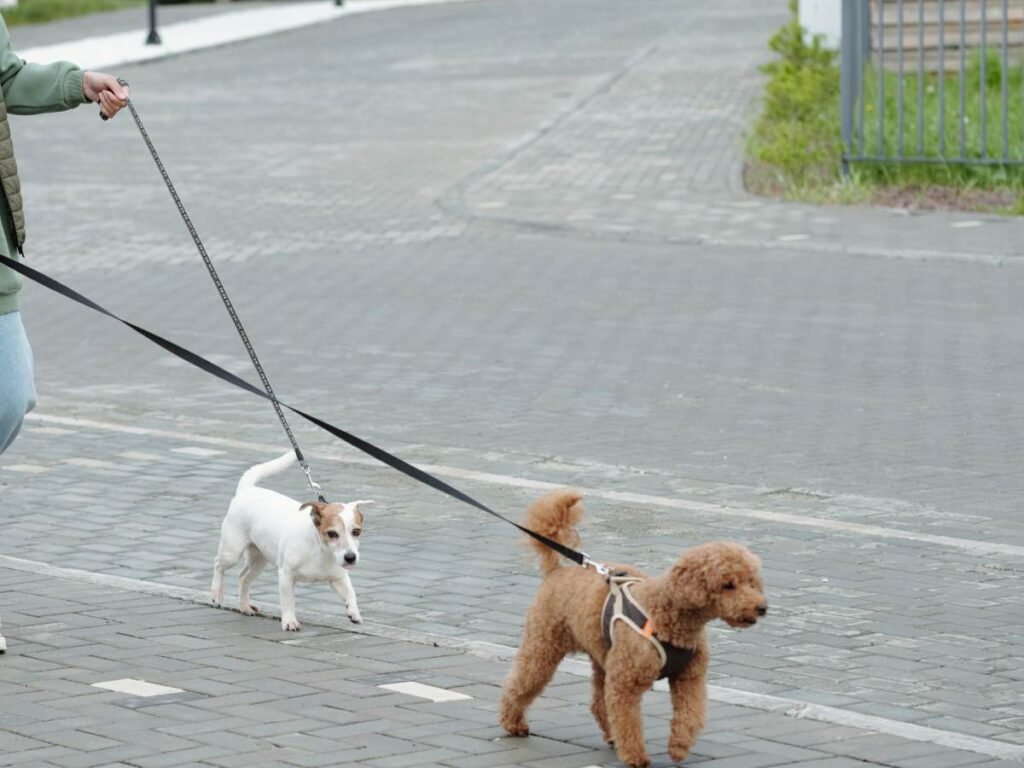
Leash pulling is one of the most common concerns dog owners in North York share—especially in busy neighbourhoods where distractions are everywhere. Whether you walk through Yonge Street, the parks of Bayview Village, or residential streets in Willowdale, a dog that constantly pulls can make walks stressful instead of enjoyable. Many pet parents ask this question during grooming appointments at Hello Pets Inc., often unsure whether pulling is caused by excitement, anxiety, lack of training, or simply habit.

The good news is that leash pulling is fixable. With consistency, the right techniques, and a bit of patience, your dog can learn to walk politely beside you. This guide explains why dogs pull, how you can correct the behavior, and when to seek professional support through certified dog trainers in North York.

Why Dogs Pull on the Leash

Dogs pull—and keep pulling—for several reasons, many of which are completely natural. Understanding the cause of the behavior helps you address it more effectively.

1. Excitement and Overstimulation

Many dogs get excited when they see new sights, smells, or other animals during a walk. This excitement can lead to pulling as they try to investigate everything at once. 

Dogs with excess energy are more likely to pull, so burning off excess energy through play or exercise before walks can help them focus and behave better on the leash.

2. Lack of Early Leash Training

If a dog was never taught how to walk politely on a leash, pulling can become a habit. Starting leash training as a puppy helps prevent pulling habits from developing, making walks more enjoyable as your dog grows.

3. Dogs naturally walk faster than humans

Their average walking speed is significantly higher than ours, so they often move ahead simply to explore faster.

4. Pulling gets rewarded

If your dog pulls and you continue walking, the environment rewards them. They learn that pulling gets them where they want to go.

5. Excitement and overstimulation

Busy areas, people, squirrels, and scents can overwhelm your dog’s senses, leading them to surge ahead.

6. Lack of early leash training

Many dogs are not taught how to walk on a loose leash during puppyhood, so the behavior becomes habitual.

7. Anxiety or fear-based behavior

Some dogs pull because they feel stressed or want to escape a situation quickly.

Step-by-Step Methods to Stop Leash Pulling

Dog Pulling leash

Training your dog not to pull requires repetition and consistency. Below are practical, beginner-friendly techniques that work well for dogs of all breeds and ages.

1. Start with Proper Equipment

While equipment alone does not train your dog, the right tools make learning easier.

Consider using:

Avoid choke chains or prong collars, as they may cause discomfort or stress and do not teach proper leash manners.

2. Teach the “Stop and Go” Method

This method teaches your dog that pulling stops all movement.

How it works:

  1. Begin walking with your dog on a loose leash
  2. The moment the leash becomes tight, stop walking
  3. Stand still and wait for your dog to look back or return
  4. As soon as the leash loosens, praise and continue walking

This creates a clear rule: Pulling equals no progress.

3. Use the “Change Direction” Technique

This method keeps your dog focused on your movement instead of everything around them.

Steps:

  1. Start walking
  2. When your dog pulls, turn and walk in the opposite direction
  3. Encourage your dog to follow using your voice
  4. Praise them when they return to your side

Over time, your dog learns that paying attention to you is rewarding.

4. Reward Good Positioning

Dogs repeat behaviors that earn rewards. Encourage them to stay beside you by reinforcing calm walking.

Tips:

This builds a positive association with loose-leash walking.

5. Practice in Low-Distraction Areas First

Training outdoors in a busy North York neighborhood can be tough for beginners. Start indoors, then move to quieter streets before practicing near parks or busy sidewalks.

Good progression:

  1. Inside your home
  2. Backyard or hallway
  3. Quiet residential street
  4. Busier areas like shopping districts or parks

Your dog’s success depends on gradually increasing the difficulty level.

6. Exercise Before Walking

Some dogs are simply too energetic to focus, especially young dogs or high-energy breeds.

Try:

A tired mind is more willing to listen and learn.

7. Avoid Accidentally Reinforcing Pulling

Many pet parents unintentionally reward pulling by continuing to walk or letting their dog reach a desired spot.

Try to avoid:

Consistency is essential—every walk is a training opportunity.

When to Seek Professional Dog Training Help

Stop My Dog From Pulling on the Leash

Some dogs need additional guidance, especially if pulling is severe, combined with anxiety, or part of reactive behavior (barking, lunging, etc.). If you find the problem difficult to manage on your own, working with a professional dog trainer in North York can make a huge difference. You can explore tailored training programs through the comprehensive dog training services offered by Hello Pets Inc.

Professional guidance helps ensure training remains humane, effective, and customized for your dog’s needs.

Additional Tips for a Pleasant Walking Experience

With consistency, most dogs show noticeable progress within a few weeks.

For more tips on leash training and positive reinforcement techniques, check out our related articles to continue improving your dog's leash manners.

Read More: Positive Reinforcement vs Punishment: Which Dog Training Method Really Works?

FAQ: Dog Pulling, Biting, and Training (Helpful for North York Dog Owners)

1. Why does my dog pull more when we walk near busy streets?

Dogs become overstimulated by noises, scents, and movement. Busy North York streets offer many distractions, making it harder for them to focus. Gradual exposure helps reduce overstimulation over time.

2. Can leash pulling lead to biting or reactive behavior?

Yes. Dogs that become frustrated or anxious on walks may develop reactive habits such as barking or snapping. Correcting leash manners early helps prevent these issues.

3. How do I stop my dog from biting the leash during walks?

Give your dog an alternative behavior such as holding a toy, reward calm walking frequently, and avoid tugging the leash away. Teaching impulse-control commands like “leave it” also helps.

4. Is leash training different for puppies versus adult dogs?

The principles are the same, but puppies require shorter sessions and more repetition. Adult dogs may have stronger habits, so consistency is essential, but both can learn successfully.

5. What if my dog pulls only when seeing other dogs?

This is commonly excitement or reactivity. Practice distance training—reward calm behavior while staying far enough away that your dog does not react. Slowly close the distance over time.

6. How do I prevent my dog from biting strangers during walks?

Teach controlled walking, avoid letting strangers approach too quickly, and reinforce calm behavior around people. If biting risk is present, seek professional training support immediately.

7. When should I consider professional dog training?

If pulling is persistent, combined with anxiety, or difficult to control even after consistent practice, working with a certified trainer is recommended. Professional guidance ensures safe and tailored training.

How to Train a Dog to Stay Calm Around Strangers: A Practical Guide for North York Pet Owners

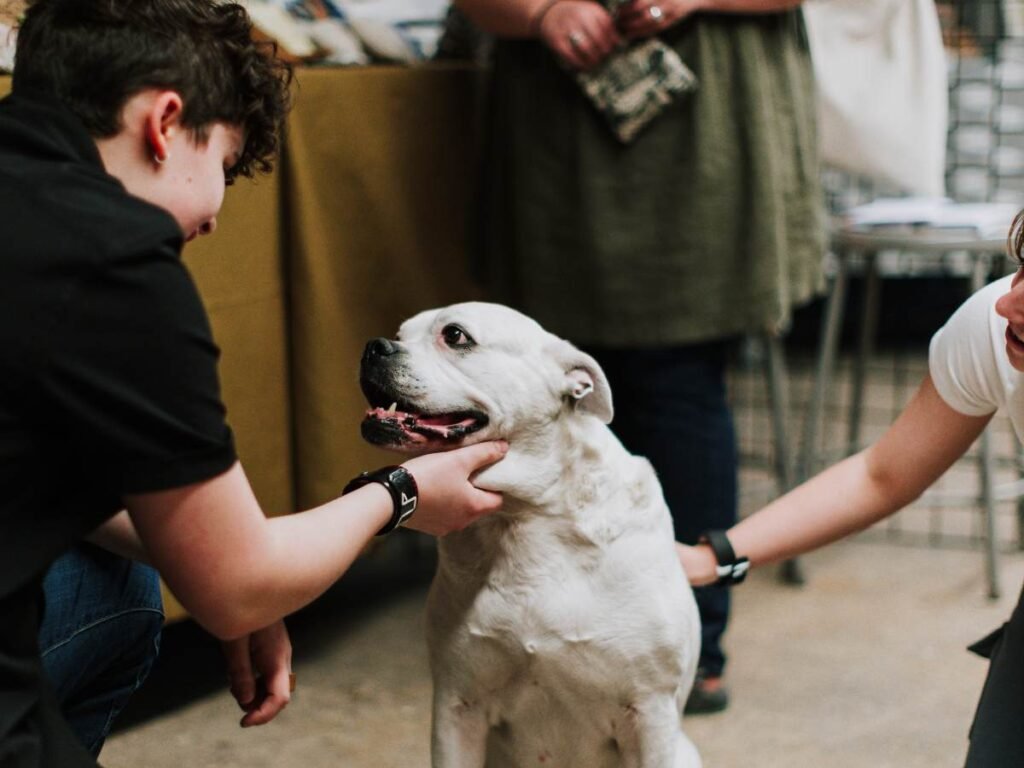
For many dog owners in North York, teaching a dog to stay calm around strangers is a common challenge. At our grooming salon, Hello Pets Inc., we meet countless pet parents who share similar concerns:
“My dog gets too excited when visitors come.”
“He barks or pulls when he sees people outside.”
“She gets anxious around new faces.”

These behaviours are normal—dogs communicate through movement, body language, and vocal signals. With the right training, guidance, and consistency, any dog can learn to stay relaxed, confident, and well-mannered around unfamiliar people. 

In this guide, we share practical, real-life strategies that we often discuss with dog parents during grooming sessions. Whether you have a young puppy or an older dog, these steps will help your dog remain calm and composed around strangers.

Why Dogs React to Strangers: Common Reasons

Before training, it is important to understand why your dog may behave anxiously or overly excited when they encounter unfamiliar people. One common reason is a lack of socialisation.

Dogs who have not been introduced to different environments, people, and voices during their developmental phases may find new experiences overwhelming. Without early exposure, dogs can become scared or afraid of new people, making it harder for them to feel comfortable in unfamiliar situations.

Fear and anxiety can also play a major role, especially if the dog views strangers as unpredictable or threatening. In many cases, dogs react not out of aggression but out of uncertainty.

Some dogs become overly excited rather than fearful. They may jump, bark, or pull on the leash simply because they are thrilled to see new people. This excitement can sometimes lead to reactive behavior, such as barking or lunging, especially in busy or stressful environments. Others react due to protective instincts, which are stronger in certain breeds or personalities.

Additionally, dogs who have had negative experiences with strangers in the past may associate unfamiliar people with stress or danger. Understanding these root causes helps you train with empathy and patience.

Practical Ways to Train Your Dog to Stay Calm Around Strangers

Train a Dog to Stay Calm Around Strangers

These are the strategies we commonly advise to pet parents who visit our North York grooming salon. They are gentle, effective, and suitable for both puppies and adult dogs.

1. Start With a Controlled Environment

Begin training in a quiet and familiar space. Choose a calm area in your home, backyard, or a quiet street where there are few distractions. Introduce one new person at a time and keep a comfortable distance at first. Allow your dog to observe without pressure.

Ask the stranger to ignore the dog initially by avoiding eye contact, not bending over the dog, and not speaking directly to them. 

This reduces pressure and allows the dog to approach on their own terms. Reward your dog for any calm behaviour, even something as small as looking at the stranger without reacting.

2. Teach Basic Commands Before Introducing Strangers

Training becomes easier when your dog understands foundational cues such as “sit,” “stay,” “look at me,” and “leave it.” These commands help redirect your dog’s attention when encountering strangers. 

Practice these cues daily and use them during stranger interactions. If your dog struggles with these basics or needs structured guidance, consider seeking a trainer through our dog training services for personalised support.

Read More: How to Teach Your Dog Basic Commands: A Practical Guide for North York Pet Owners

3. Use Distance as a Training Tool

Distance reduces stress. If your dog becomes reactive, simply increase the space between your dog and the stranger. Start training at a distance where your dog notices the person but does not bark, growl, or pull.

This technique can also be used when introducing your dog to other dogs or other animals.

Reward calm behaviour at that distance and decrease it gradually over days or weeks. This technique, called desensitisation, helps your dog adjust comfortably without feeling overwhelmed, and gradual exposure helps your dog reach a calmer state around new people and animals.

4. Reward Calm Behaviour Immediately

Using positive reinforcement to reward calm behavior is essential for encouraging your dog to remain relaxed and composed around strangers. Each time your dog displays calm behavior—such as sitting quietly, walking calmly, or observing without barking—reward them immediately to reinforce this good behavior.

Use small training treats, soft verbal praise, or gentle petting as positive reinforcement. Rewarding calm behavior helps build positive associations with strangers, making new encounters more enjoyable and less stressful for your dog.

Avoid rewarding anxious behaviors like whining or jumping. Timing is crucial, so always reward the calm moment and not the reaction that follows. This approach encourages good behavior and fosters a positive attitude toward new people.

5. Teach the “Settle on a Mat” Technique

Teaching your dog to settle on a mat or bed is extremely helpful when guests visit your home. Place a mat on the floor and encourage your dog to sit or lie down on it. Reward them for staying in that spot, especially when they show relaxed behavior. You can also offer your dog's favorite toy on the mat to help them feel more comfortable and relaxed.

Practice this regularly without guests first. Once your dog understands the routine, introduce a visitor into the environment. This gives your dog a safe, predictable place to relax while learning that strangers entering the home is not a threat.

6. Ask Strangers to Follow a Calm Greeting Routine

Strangers often unintentionally reinforce excitement by leaning forward, talking loudly, or trying to pet the dog immediately. 

Guide visitors to interact in a calmer way. 

Ask them to ignore the dog at first, keep their hands at their sides, and allow the dog to sniff before attempting any interaction. 

This helps the dog regulate their emotions and approach calmly at their own pace.

7. Keep Walks Structured to Reduce Pulling and Reactivity

Dog With Strangers

Dogs that pull on walks often struggle with self-control when encountering people. Use a short yet comfortable leash, maintain a steady walking pace, and practice cues like “sit” when someone approaches. 

Reward your dog when they pass strangers calmly. Structured walks help build discipline and confidence, which translates into calmer behaviour overall.

8. Provide Adequate Mental and Physical Stimulation

Dogs that receive enough daily exercise and mental stimulation tend to be calmer. 

Activities like puzzle feeders, sniffing games, obedience drills, and fetch sessions engage the mind and body. 

A tired dog is far less likely to overreact to strangers.

9. When Needed, Seek Professional Support

If your dog exhibits extreme fear, anxiety, or aggression, professional help can make a significant difference. Trainers can assess your dog's behaviour and create a tailored training plan. If you ever need structured behavioural support in North York, you can find our location here: Hello Pets Inc.. We frequently guide pet owners who raise concerns during grooming appointments, and early intervention can greatly improve your dog’s behaviour.

Additional Tips From Our Grooming Salon Experience

Since we frequently groom anxious or reactive dogs, we’ve noticed helpful patterns. Dogs often mirror their owner’s emotions, so staying relaxed during greetings can help your dog feel more secure. 

Grooming sessions also expose dogs to different handlers, sounds, and environments, which naturally helps them become more comfortable with unfamiliar people. 

Always give your dog time to adjust and avoid forcing interaction. Punishment for fearful behaviour typically worsens anxiety and reduces trust.

Frequently Asked Questions (FAQ)

1. Why does my dog bark or snap at strangers?

Dogs often react due to fear, lack of socialisation, or feeling threatened. Some may bark defensively, while others react because they are unsure how to behave. Identifying the trigger helps determine the correct training approach.

2. Can training stop a dog from biting strangers?

Yes. Training that focuses on confidence building, impulse control, and desensitisation significantly reduces the risk of biting. A structured plan can help dogs choose calm behaviours instead of defensive reactions.

3. How do I prevent my dog from biting guests at home?

Control the environment by using cues like “stay,” managing distance, and creating a designated safe spot such as a mat. Consistent practice teaches your dog how to behave when people enter your home.

4. What should I do if my dog gets too excited and jumps on strangers?

Teach replacement behaviours such as “sit” or “touch.” Ask strangers to ignore jumping completely. Reward your dog only when all four paws remain on the floor.

5. How long does it take to train a dog to stay calm?

Every dog is different. Some improve within a few weeks, while others need months of consistent practice. Breed, temperament, and past experiences all influence the timeline.

6. Can grooming help reduce anxiety around strangers?

Yes. Regular grooming helps dogs become accustomed to being handled by unfamiliar people. This builds trust, reduces fear, and helps them feel more confident in new situations.

7. Should I seek professional help if my dog has bitten someone before?

Yes. A dog with a bite history requires structured behavioural support. A professional dog trainer in North York can evaluate the behaviour and guide you through safe techniques to prevent future incidents.

Why Your Dog's Hair Gets Matted: How Proper Haircuts Prevent It

If your dog’s coat keeps matting no matter how often you brush, you’re not alone. At Hello Pets Inc., we see this concern almost every day from dog parents across North York. Matting can be painful, it can cause skin issues, and it can make grooming sessions stressful for your dog — but the good news is that most matting is preventable with the right grooming routine and haircut schedule. Let’s walk through why matting happens, what you can do at home, and how professional grooming makes a big difference.

What Is Matting and Why Is It a Problem?

Matting is when your dog’s hair becomes tangled, twisted, and tightly clumped together. Once mats start forming, they grow bigger quickly — trapping dirt, moisture, and even pests close to the skin.

Why matting is harmful:

• It pulls on your dog’s skin, causing discomfort or pain
• It blocks air circulation, leading to hot spots or bacterial infections
• It hides parasites like fleas and ticks
• Severe mats can restrict movement, especially around joints. Severe matting can result in a pelted coat, where the matted hair forms a thick, tight layer over the body that may require shaving for removal.
• Mats around the ears, belly, or hind legs can tear the skin if pulled

This is why groomers take matting so seriously — it’s a health issue, not just a cosmetic one.

Why Does Your Dog’s Hair Matt?

Matting doesn’t happen randomly. Here are the most common reasons we see at our grooming salon in North York.

1. Skipping Regular Brushing

Dogs with long coats, curly coats, or double coats need consistent brushing. When loose hair isn’t removed, it starts intertwining and forming knots.

High-risk breeds include: Poodles, Doodles, Shih Tzus, Bichons, Maltese, Cocker Spaniels, Golden Retrievers, and any dog with a fluffy or curly coat. Common breeds with corded coats or special grooming needs, such as Puli, Komondor, and Bergamasco Shepherd, also require extra attention. Certain dog breeds are more prone to matting and need frequent brushing and good brushing techniques to maintain coat health and prevent mats.

2. Coat Type and Genetics

Some dogs simply matt faster because of their coat texture. Curly coats naturally trap loose hair. Long coats tangle easily. Silky coats knot when exposed to wind or moisture. If your dog is a heavy shedder, that loose undercoat is a major matting culprit.

Maintaining a healthy pup's coat or dog's coat requires attention to more than just the top layer of fur. The coat should be combed regularly, as combing is essential for removing tangles and preventing mats. Brushing only the top layer can push tangles deeper, so thorough combing and detangling are important for overall coat health.

3. Moisture + Friction

Wet fur combined with rubbing causes instant knots. It is important to make sure your dog's coat is completely dry after baths, swimming, or walks in the rain, as dry fur and dry hair are less likely to tangle or form mats. Matting often appears behind the ears, under the collar or harness, on the chest, between the legs, on the tail, and around the armpits. Even a short walk in the rain can cause tangling if the coat isn’t brushed afterward. Loose fur left after getting wet can quickly form mats if not brushed out, trapping dirt and moisture against the skin.

4. Skipping Professional Grooming

A long coat without regular trimming becomes more difficult to maintain. If the coat grows too long between grooms, brushing stops being effective — the tangles turn into mats. This is why most breeds need a grooming appointment every 6–8 weeks. A full groom by a professional covers the entire process of coat maintenance, from bathing to trimming, ensuring your dog's coat stays healthy and comfortable. For mats that cannot be managed at home, it is best to seek professional help. Pet owners should seek professional assistance for severe matting to avoid causing discomfort or injury to their pets.

5. Using the Wrong Tools at Home

Not all brushes work for all coats. Slicker brushes are great for curly coats. Undercoat rakes work best for double-coated breeds. Combs help catch tiny knots you might miss. Using the wrong tool leaves hidden tangles behind. For safe and effective mat removal, always use the right tools, such as grooming clippers or dog clippers, especially for severe mats. When removing mats, hold the mat firmly to avoid pulling on the dog's skin.

How Proper Haircuts Prevent Matting

matted dog fur

A professional groomer doesn’t just make your dog look cute — the haircut is designed for coat health and mat prevention. A well-groomed dog is more likely to have a tangle free coat, which helps prevent mats and keeps your pet comfortable.

1. Shorter, Even Length Reduces Tangles

Hair that is too long bends, twists, and traps debris. A well-maintained trim reduces friction, prevents knots around problem areas, and keeps your dog comfortable. Regular trimming also helps prevent tangles, especially in dogs with long fur, making grooming easier and reducing the risk of matting.

2. Groomers Remove Dead Hair Properly

Loose undercoat is the biggest cause of mats. Combing helps remove loose fur and dead hair before it can form mats, preventing build-up that could turn into hard knots. A proper groom removes this build-up safely so it doesn’t turn into hard knots.

3. Sanitary Trim Helps High-Mat Areas

Areas like the belly, armpits, paws, and around the ears are mat hotspots. Groomers shorten the hair here so that movement doesn’t create friction. Trimming these areas also helps prevent mats from pulling on the dog's skin and causing irritation.

4. Post-Bath Brushing Is Done Correctly

Brushing incorrectly when the coat is wet can worsen matting, especially if there is tangled hair present. Professional groomers ensure the coat is completely dry before brushing, as dry hair is easier to manage and helps prevent mats from tightening or worsening. They then brush in layers to ensure no moisture is trapped.

5. Regular Grooming Breaks the Matting Cycle

A grooming routine keeps the coat manageable. Regular grooming also helps prevent future matting by addressing tangles before they become severe. With frequent trims, even dogs prone to matting stay knot-free.

At-Home Tips to Prevent Matting

Pet owners can dramatically reduce matting with simple daily or weekly habits. Here are additional tips for preventing matting at home and maintaining a healthy coat.

1. Brush Regularly — Even for Short-Coated Dogs

• Long or curly coats: daily brushing
• Medium coats: every 2–3 days
• Short coats: weekly
Consistency matters more than the length of the session.

Frequent brushing and good brushing techniques are essential for all coat types to prevent matting, maintain coat health, and ensure your dog's comfort.

2. Brush Before and After Walks

Wind and movement create tiny tangles. Play time can also lead to tangles, so brushing after active play is important. A quick pre-walk and post-walk brush reduces the chance of mats forming.

3. Keep the Coat Dry

After rain, snow, swimming, or baths — dry thoroughly and brush. Never let your dog air-dry if they’re prone to matting.

4. Remove Collars and Harnesses at Home

Continuous rubbing behind the ears and neck causes mats. Removing collars and harnesses at home helps prevent tangles in the neck area. Give your dog’s neck time to breathe when indoors.

5. Stick to a Grooming Schedule

Even if you brush daily, professional maintenance is essential. For most breeds, that means every 6–8 weeks. Regular professional maintenance ensures your dog stays groomed and receives a full groom as needed, supporting coat health and overall well-being.

When Your Dog Already Has Mats: What You Should Do

If the mat is small, you can try a detangling spray, slicker brush, or metal comb. Always focus on safely removing mats by using the right tools, such as clippers or specialized shedding tools, to avoid injuring your dog’s skin. Just as you would carefully brush and maintain your own hair to keep it healthy, using the proper grooming techniques for your dog is essential. But never cut mats out with scissors — this often leads to accidental cuts that may require stitches. If the mat is large, tight, or close to the skin, bring your dog to a professional groomer who can safely dematt or shave the area without hurting your pet.

Why Visiting a Professional Groomer Helps

As a grooming salon in North York, we handle matting cases daily and understand how stressful it can be for both dogs and owners. A professional dog groomer can assess your dog’s coat type, recommend the right haircut length, suggest the right brushing tools, create a grooming schedule tailored to your dog, and remove mats safely without causing pain. If your dog’s matting is severe or you lack the proper tools or experience, it is essential to seek professional help.

Pet owners should seek professional assistance for the entire process of grooming in difficult cases to ensure the procedure is completed efficiently and safely. Regular grooming not only protects the coat but keeps your dog comfortable and healthy.

Final Thoughts

Matting is preventable — but it requires the right combination of at-home care and professional grooming. Your dog doesn’t need to suffer through painful knots, and grooming doesn’t have to be stressful.

A proper haircut, routine brushing, and consistent grooming appointments can keep your dog’s coat soft, healthy, and mat-free. For other tips, consider using detangling sprays or a gentle, mat-preventing shampoo to help maintain coat health. If you ever feel unsure about your dog’s coat condition, you’re always welcome to ask.

At Hello Pets Inc., helping pet parents in North York understand their dogs’ needs is one of the best parts of what we do—pun intended.

How to Train a Dog Not to Bite: A Complete Guide for North York Dog Owners

Biting is one of the most common behavior challenges dog owners face, especially with puppies or young dogs learning boundaries. While biting can feel alarming, it is usually a natural behavior rooted in play, fear, or confusion. With the right training approach, patience, and structure, you can safely teach your dog to stop biting and develop calm, controlled behavior. This guide is designed for North York dog owners who want clear, practical steps to help their dogs learn gentle manners at home.

Understanding why dogs bite, recognizing early warning signs, and using positive reinforcement will set you and your dog up for success. Professional guidance may be helpful in some cases, and certified trainers from places like Hello Pets Inc. often support families through this process using humane and evidence-based training methods.

How to Train a Dog Not to Bite: Understanding Common Reasons

Before you train a dog not to bite, it’s important to understand the “why.” Dogs rarely bite without cause. The most common reasons include. Understanding a dog's body language and warning signs is key to preventing dogs biting and addressing aggressive behavior before it escalates.

1. Teething and exploration:

Puppies explore the world with their mouths, especially during teething phases. Chewing and nipping are completely normal but require redirection.

2. Play behavior:

Dogs often nip or mouth during play, especially when excited. In dog-to-dog play, this is normal, but humans experience it as biting. It's important to distinguish between playful mouthing, play biting, and aggressive behavior by observing how dog mouths are used and paying close attention to body language.

3. Fear or stress:

A fearful dog may bite when feeling cornered, overwhelmed, or pressured. This is a protective response, not aggression. Recognizing a dog's body language, such as a dog displaying ears lying flat, can signal discomfort or potential dog's aggression.

4. Lack of boundaries:

If a dog hasn’t learned impulse control or bite inhibition, they may nip when frustrated or overly stimulated.

5. Pain or medical issues:

Sudden biting may indicate discomfort. A veterinary check is recommended if the behavior appears unexpectedly.

Step-by-Step Guide to Train a Dog Not to Bite

These steps work for both puppies and adult dogs, as long as you remain consistent, calm, and patient.

To train your dog not to bite, it is important to use positive dog training methods and obedience training. Training dogs to follow basic commands and stay dog focused helps prevent biting by keeping them attentive and responsive to your cues. As part of the training process, make sure to teach your dog appropriate behavior.

1. Teach Bite Inhibition

Bite inhibition means teaching your dog how to control the pressure of their bite. Teaching bite inhibition is essential to help your dog learn gentle play and understand that people have sensitive skin, so they must use soft mouth pressure during interactions.

  1. Allow gentle mouthing during early training but stop play immediately if teeth touch skin.
  2. Say “Ouch!” calmly or pause the interaction for a few seconds.
  3. Resume play once the dog settles.
  4. Repeat consistently to teach that biting ends the fun. Note: A dog learn to control their bite pressure through consistent feedback and positive reinforcement.

This teaches your dog that rough play has consequences, while calm behavior is rewarded.

2. Redirect to Appropriate Items

When your dog starts to nip:

  1. Immediately offer a chew toy, rope toy, soft toy, or frozen teether (for puppies).
  2. Encourage them to bite the toy instead of your hands.
  3. Praise them when they choose the correct item.

Choose toys or activities your dog enjoys to make redirection more effective.

Redirection is one of the simplest ways to stop puppy biting.

3. Reward Calm Behavior

Reward Your Dog

Positive reinforcement is the foundation of bite training. Give rewards such as treats, verbal praise, or gentle petting when your dog:

• Sits calmly

• Stops biting when asked

• Chooses a toy instead of your hands

• Shows self-control during play

Using a training approach that rewards good behavior not only encourages your dog to repeat those actions, but also builds your dog's confidence. Reinforcing good decisions helps shape long-term behavior.

4. Avoid Rough Play

Games like wrestling, tug-of-war without rules, or letting dogs chase hands can increase biting behavior and may lead to unwanted biting if not managed properly.

Instead:

• Set clear rules for play

• Use controlled games like fetch

• Teach “drop it” and “leave it” as impulse-control skills

Limiting overstimulating activities helps prevent accidental bites. Practicing these play rules in different environments is important for proofing behavior, ensuring your dog maintains appropriate responses regardless of setting or distractions.

5. Use Time-Outs Correctly

If your dog continues biting despite redirection:

  1. Calmly remove yourself from the area for 20–30 seconds
  2. Return once your dog is calm
  3. Repeat if necessary

Time-outs help dogs understand that biting leads to loss of attention. This is a consequence a dog finds unpleasant, but it is not harmful or punitive.

Safety Tips for Families

Families with children or reactive dogs must take extra precautions. As pet parents, it's important to be proactive in teaching and supervising safe interactions.

Teach kids gentle interaction

• No pulling, hugging tightly, or grabbing
• Keep hands away from the dog’s face during play
• Always supervise child-dog interactions

Provide safe spaces
Create a quiet spot where your dog can retreat if overwhelmed. Managing your dog's environment by providing a calm, secure area reduces stress-based biting and helps your dog feel safe.

Recognize warning signs
Dogs often communicate discomfort before biting:
• Lip licking
• Yawning
• Turning away
• Ears back
• Stiff body posture
• Growling
• Pay close attention to your dog's growls—these are important warning signals that should not be ignored.

For example, a dog may react or growl if a child is running past, signaling discomfort or stress. Teaching family members to notice these signals, including a dog's growls, prevents escalations. Respect your dog's ability to communicate discomfort, and address the underlying causes rather than suppressing these natural warning signs.

When to Seek Professional Help

Some biting behaviors require guidance from a certified trainer or behavior professional. If your dog bites out of fear, resource guarding, or unpredictable reactivity, structured support is important. For any tough behavior problem, such as persistent aggression or biting, consulting a dog trainer, professional dog trainer, or animal behaviorist is highly recommended, as they have the expertise to develop effective strategies and ensure safety.

For older dogs, adult socialization is also crucial—exposing them to new environments, people, and situations can help reduce fear and biting issues.

Training centers like Hello Pets Inc. work with individualized plans based on your dog’s needs. If your dog shows signs of aggression or you feel unsure how to proceed, booking a session with a trusted professional is a responsible step. North York dog owners can also explore positive, fear-free programs through the dog behavior training service to better understand what triggers biting and how to manage it safely.

Preventing Future Biting

Dog bite training

Consistency is essential. To reduce long-term risks:

• Continue practicing impulse-control commands
• Keep chew toys available
• Avoid encouraging biting games
• Maintain a routine to reduce stress
• Reinforce calm behavior daily

Raising a well socialized puppy through proper socialization is crucial—gradually expose your dog to new people, places, and experiences, and slowly introduce challenges to build confidence and prevent fear-based aggression. Allow your dog to interact with other dogs to improve bite inhibition and social skills. Monitor your dog's behavior closely; both you and your dog benefit from consistent training and positive reinforcement.

FAQ: Dog Biting and Behavior Training

1. Why does my puppy bite so much?

Puppies bite due to teething, exploration, and natural play behavior. It is normal, but with redirection and training, the behavior decreases as they mature. However, it's important to address biting early to prevent the risk of a dog bite as your puppy grows.

2. How long does it take to train a dog not to bite?

With consistent training, many puppies show improvement within weeks. Adult dogs may take longer depending on the cause of the biting, past experiences, and training history.

3. Should I punish my dog for biting?

No. Punishment can increase fear and worsen the behavior. Punishing inappropriate behavior, such as using leash corrections, can actually make aggression and biting worse. Positive reinforcement and clear boundaries are more effective and safer.

4. Can teething make biting worse?

Yes. Teething causes discomfort, making puppies chew more. Frozen chew toys, teething rings, and gentle redirection help relieve this. Choosing the right dog's food can also support healthy development during this stage.

5. What if my dog growls before biting?

Growling is a communication signal. Do not punish it. Instead, assess what triggered the discomfort and give your dog space. You may also hear stories from other pet parents or trainers about how recognizing and respecting growling helped prevent escalation.

6. When is biting considered aggression?

Repeated, intense, or unpredictable biting—especially paired with fear or guarding—may indicate aggression and requires professional evaluation. Guarding a food bowl is a common trigger for aggressive biting and should be addressed with care.

7. Can professional training help with biting?

Yes. Certified trainers can identify root causes and create structured behavior plans that help reduce biting safely and effectively. Professional training often includes advice on disease control, and having your dog spayed or neutered can help; altered dogs tend to be less aggressive. Altered dogs are also less likely to develop certain behavioral issues.

Conclusion

Learning how to train a dog not to bite is a process that requires patience, awareness, and consistency. By understanding why dogs bite, using positive reinforcement, and creating a safe environment, North York dog owners can guide their pets toward calm and gentle behavior. When needed, professional support ensures that both dogs and families feel confident and secure throughout the training journey. Remember, building your dog's trust through positive training is essential for a strong relationship and effective results.

How to Teach Your Dog Basic Commands: A Practical Guide for North York Pet Owners

Training your dog to follow basic commands is one of the most rewarding parts of pet ownership. It helps your dog become more confident, well-behaved, and safe — while also strengthening your bond.

Whether you’ve just welcomed a new puppy or you’re looking to teach your adult dog some manners, the foundation of good training lies in patience, consistency, and understanding.

For dog owners in North York, this guide explains how to teach the essential commands using positive reinforcement — the most effective and humane method recommended by professional trainers at Hello Pets Inc..

Why Teaching Basic Commands Matters

Basic commands aren’t just tricks — they’re essential communication tools that are crucial for a dog's safety and a puppy's well-being.

A dog that responds to simple cues like “sit” or “stay” is easier to manage, more enjoyable to be around, and safer in everyday situations.

Commands like “stay” and “come” are important commands and essential commands for managing a dog's safety in various situations, helping to prevent accidents or trouble during outdoor activities or socialization.

Whether it’s stopping at a crosswalk, greeting guests calmly, or waiting for their meal, these commands make life smoother for both you and your dog. They also lay the groundwork for more advanced training in the future.

Setting the Right Environment for Training

Before you start teaching commands, make sure your dog is in the right mindset and setting:

The training process should always start by capturing your dog's attention with a treat or toy before giving a command. Following a consistent process is key to successful training.

Start with the Basics: Foundational Commands

Teach Dog Basic Commands

1. Sit

The “sit” command is often the first and one of the easiest commands to teach. It’s a great way to help your dog focus and stay calm.

How to teach:

  1. Hold a treat just above your puppy’s nose to encourage sitting.
  2. Slowly move your hand up so their head follows, causing their bottom to lower into a sitting position.
  3. Once they are sitting, say “Sit” clearly and give the treat.
  4. Praise immediately.

Most puppies learn to sit after a few repetitions. Repeat this several times a day. Once your dog masters it indoors, try practicing outdoors with more distractions.

2. Stay

The stay command helps your dog remain in one spot until released — an essential safety command for busy areas or guests at home. Teaching the stay command also helps your dog develop self control, as they learn to manage their impulses and wait patiently.

How to teach:

  1. Ask your dog to sit.
  2. Hold your palm out and say “Stay” in a calm, firm tone.
  3. Take one step back. If your dog stays, reward them with a treat.
  4. Gradually increase distance and duration before rewarding.
  5. Always use a release command, like saying “Okay,” to end the stay and let your dog know they are free to move.

If your dog breaks the stay, simply guide them back without scolding — this command takes time to perfect.

3. Come

Teaching “come” (recall) ensures your dog returns to you even when distracted — an essential safety skill.
How to teach:

  1. Start indoors or in a fenced area.
  2. Kneel down, open your arms, and say “Come” in an enthusiastic tone.
  3. When your dog approaches, reward with a treat and lots of praise.
  4. Gradually increase distance and distractions as they improve.
    Avoid calling your dog for negative situations (like bath time or scolding). You want “Come” to always mean something good.

4. Down

The down position is a fundamental obedience skill that helps excitable dogs settle and stay calm.

How to teach:

  1. Ask your dog to sit.
  2. Hold a treat close to their nose, then move it slowly to the ground.
  3. Slide the treat forward so they stretch and begin to lie down, lowering their hind legs until they reach the down position.
  4. Once they’re lying down, say “Down” and reward them.

The down command is best taught with patience and positive reinforcement. If your dog resists, don’t push — patience and positive reinforcement work better than pressure.

5. Leave It

This essential command teaches your dog to ignore distractions like food, objects, or other animals — vital for safety. 'Leave it' is especially important to prevent your dog from picking up harmful or unwanted items. You can also teach your dog the 'drop' command, which instructs them to release objects from their mouth, further enhancing safety and household management.

How to teach:

  1. Hold a treat in your closed fist and let your dog sniff it.
  2. Say “Leave it.”
  3. Wait until your dog stops trying to get it and looks at you.
  4. Immediately reward them with a different treat from your other hand—using something your dog likes as a reward increases success. Repeat until your dog learns that ignoring the item brings a better reward.

The Power of Positive Reinforcement

Modern trainers emphasize positive reinforcement because it builds trust, reduces fear, and encourages your dog to make good choices willingly. Rewarding desired behaviors (rather than punishing mistakes) makes training enjoyable for both of you. At Hello Pets Inc., professional dog trainers in North York use science-based methods to help dogs learn through motivation and encouragement — not fear. This approach creates confident, responsive pets who genuinely want to please their owners.

Read More: Positive Reinforcement vs Punishment: Which Dog Training Method Really Works?

Common Mistakes to Avoid

Even the most loving owners can make simple mistakes during training, which can lead to trouble with your dog's behavior. Here are a few to watch out for:

Building on Success

Once your dog masters these basic commands, you can move on to fun and practical tricks like “shake,” “wait,” or “heel.” Remember, training isn’t a one-time event — it’s an ongoing way to bond and communicate.

As your dog grows and gains confidence, you’ll notice better behavior, improved focus, and a deeper sense of trust. With patience and practice, even the most energetic dogs can learn to be calm, obedient, and happy learners.

Final Thoughts

Teaching your dog basic commands doesn’t require special tools — just time, love, and consistency. Every “sit” and “stay” you practice brings you closer to a well-mannered companion who understands you better. If you’re a North York resident looking for expert guidance, the certified trainers at Hello Pets Inc. can help refine your dog’s skills using positive, reward-based techniques. Whether your dog is shy, playful, or stubborn, professional guidance ensures faster results and a stronger bond between you and your furry friend.

FAQs: Teaching Your Dog Basic Commands

1. When should I start training my dog?

You can start training as early as 8 weeks old. Puppies have short attention spans, so keep sessions brief and fun. Adult dogs can also learn basic commands — it’s never too late to start with patience and consistency.

2. How long does it take to teach basic commands?

Most dogs begin responding within a few days of consistent practice, but mastering commands can take a few weeks. The key is regular, positive reinforcement and short, focused sessions each day.

3. What is the best reward to use during training?

High-value treats like small pieces of chicken, cheese, or store-bought training treats work best. You can also mix in verbal praise, petting, or a favorite toy as a reward during training once your dog starts responding reliably.

4. Can I train my dog at home without professional help?

Yes! Many owners successfully train their dogs at home using positive reinforcement. However, if your dog is particularly stubborn or anxious, working with expert trainers at Hello Pets Inc. in North York can provide faster and more consistent results.

5. How often should I train my dog?

Aim for two to three short training sessions daily, about 5–10 minutes each. Frequent, brief sessions help your dog stay focused and enthusiastic without getting bored.

6. What if my dog doesn’t respond to commands?

First, check that you’re using a clear tone, consistent word, and rewarding immediately. If your dog still doesn’t respond, reduce distractions or increase the reward value. Professional trainers can help identify specific challenges.

7. Should I punish my dog for not obeying?

No. Punishment can create fear and confusion, making training harder. Instead, use positive reinforcement — reward the behaviors you want and ignore or redirect unwanted ones.

8. How can I make training more engaging for my dog?

Incorporate play, change training locations, and end every session with a reward or favorite activity. Keeping it light and enjoyable ensures your dog stays motivated and eager to learn. Engaging training sessions not only teach new skills but also contribute to a happier and more fulfilling dog's life by providing mental stimulation, physical activity, and strengthening your bond.

9. Can I train more than one dog at the same time?

It’s best to train dogs individually at first. Once each dog understands the commands, you can gradually train them together in group sessions to improve focus and control around distractions.

10. When should I seek professional help?

If your dog shows signs of aggression, anxiety, or persistent disobedience despite your efforts, consulting experienced trainers from Hello Pets Inc. can make a big difference. They use proven, positive training techniques tailored to your dog’s needs.

Positive Reinforcement vs Punishment: Which Dog Training Method Really Works?

Training your dog is one of the most rewarding ways to build a stronger bond and ensure good behavior — but the method you choose can make all the difference. For many pet owners in North York, understanding the difference between positive reinforcement and punishment is the key to helping their dogs learn effectively and happily. In this blog, we’ll explore both approaches, discuss their pros and cons, and share expert insights on which method truly works best for long-term behavioral success.

Understanding the Basics of Dog Training

Dog training is all about communication. The way you respond to your dog’s actions — whether by rewarding good behavior or discouraging bad ones — teaches them what’s expected. But not all training techniques are created equal. There are two main schools of thought: positive reinforcement and punishment-based training. Each has a very different impact on how dogs learn, behave, and connect with their owners.

What Is Positive Reinforcement?

Positive reinforcement focuses on rewarding desirable behavior so that your dog repeats it. This could be through treats, praise, toys, or affection. For instance, if your dog sits when asked, you reward them with a treat — they learn that sitting leads to something good. This approach is rooted in behavioral psychology and is widely endorsed by modern trainers, veterinarians, and animal behavior experts.

Examples of positive reinforcement include:

Benefits of Positive Reinforcement

Dog training treats

Positive reinforcement helps dogs learn faster, stay motivated, and build confidence. It also nurtures a stronger emotional bond between you and your dog because they associate you with good things.

Some key benefits include:

In fact, expert trainers at Hello Pets Inc. in North York emphasize that positive reinforcement helps dogs make better decisions on their own — not because they fear punishment, but because they understand what earns them rewards.

What Is Punishment-Based Training?

Punishment-based training, sometimes referred to as aversive training, involves discouraging unwanted behavior through corrections — this could be physical corrections (like leash jerks) or verbal reprimands (like yelling “No!”). While some owners believe punishment helps “establish dominance,” modern animal behavior research shows it can do more harm than good if not used carefully.

Dog training punishment

Common examples of punishment-based methods include:

The Drawbacks of Punishment

Punishment may stop unwanted behaviors temporarily, but it doesn’t teach dogs what they should do instead. Moreover, it can cause fear, stress, and anxiety, which may lead to aggression or withdrawal.

Potential downsides include:

Studies have shown that dogs trained with positive reinforcement exhibit fewer behavioral problems and are more eager to learn compared to those trained with punishment.

Finding the Right Balance

While punishment may seem like a quick fix, it rarely provides lasting results. Positive reinforcement, on the other hand, takes patience — but leads to more consistent and joyful outcomes. If your dog is exhibiting stubborn or unwanted behaviors, it’s best to consult a professional trainer who understands canine psychology and uses evidence-based methods. In North York, dog training classes that rely on positive reinforcement techniques are the most effective way to help your dog learn in a safe, supportive environment.

Real-Life Example: From Frustration to Focus

Imagine a dog that constantly jumps on guests. Using punishment (like shouting or pushing them away) might make the dog fearful but doesn’t explain what behavior you expect instead. Now imagine using positive reinforcement — each time the dog greets guests calmly, they get a treat or gentle praise. Over time, the dog learns that calm greetings lead to rewards, while jumping brings no benefit. This builds self-control and confidence without creating fear.

The Science Behind Positive Reinforcement

Research from animal behavior experts shows that dogs learn best through operant conditioning — associating their behavior with outcomes. Positive reinforcement strengthens the connection between a desired action and a rewarding outcome, leading to more stable learning. Punishment, however, often disrupts learning by increasing stress hormones like cortisol, which interfere with memory and focus. This makes dogs less receptive and more reactive. That’s why trainers at trusted local facilities like Hello Pets Inc. prioritize calm, reward-based methods to help dogs learn naturally and safely.

Key Takeaway: Choose Compassion Over Control

Dog training should never be about dominating your pet — it’s about building communication and trust. Positive reinforcement not only shapes good behavior but also enhances your dog’s emotional well-being and confidence. In contrast, punishment may achieve short-term compliance but risks long-term harm to your relationship. For pet owners in North York looking to raise well-mannered, happy dogs, reward-based training remains the gold standard.

Final Thoughts

Positive reinforcement creates learners. Punishment creates followers. If you want your dog to listen because they want to — not because they have to — focus on patience, praise, and clear communication. When guided by experienced trainers and consistent practice, your dog will not only behave better but also feel more connected to you. After all, a well-trained dog isn’t just obedient — they’re confident, curious, and genuinely happy to be part of your life.

FAQs: Positive Reinforcement vs Punishment in Dog Training

1. What is the main difference between positive reinforcement and punishment in dog training?

Positive reinforcement rewards good behavior to encourage repetition, while punishment attempts to stop bad behavior through correction or discipline. The key difference lies in motivation — reinforcement builds trust and confidence, whereas punishment can create fear or confusion.

2. Does positive reinforcement really work for all dogs?

Yes. Positive reinforcement works for most dogs, regardless of breed or age. It may take time and consistency, but it’s proven to be the most effective and humane way to teach lasting behaviors.

3. Are punishment-based methods ever appropriate?

In very rare cases, mild negative consequences may be used to redirect behavior — but only under professional supervision. Excessive punishment can harm your dog’s trust and cause anxiety, so it’s not recommended as a main training method.

4. How long does it take to see results with positive reinforcement?

Most dogs begin responding within a few sessions. However, the timeline depends on the dog’s age, temperament, and history. Consistency, patience, and short, focused sessions yield the best results.

5. Can I train my dog using positive reinforcement at home?

Absolutely! Start by rewarding desired behaviors immediately with treats, praise, or playtime. Avoid yelling or physical corrections. For more structured learning, consider professional dog training classes in North York that specialize in positive reinforcement methods.

6. What are common mistakes to avoid in positive reinforcement training?

Common mistakes include rewarding too late, overusing treats without praise, and not being consistent with cues. Make sure rewards come right after the correct behavior so your dog connects the action to the outcome.

7. Why is punishment not recommended for dog training?

Punishment may stop behavior temporarily but doesn’t teach what the dog should do instead. It can create fear, aggression, or stress, damaging your relationship with your pet.

8. How can I find a good dog trainer in North York?

Look for trainers who specialize in positive reinforcement and have certifications or experience in behavioral psychology. Professional trainers from Hello Pets Inc. use science-backed, humane methods that focus on trust and long-term results.